There are wines you taste, and then there are estates you know long before your first glass. Chateau Lafite Rothschild belongs to the latter. Its reputation was not built by marketing, but by centuries of consistency, precision and cultural relevance.
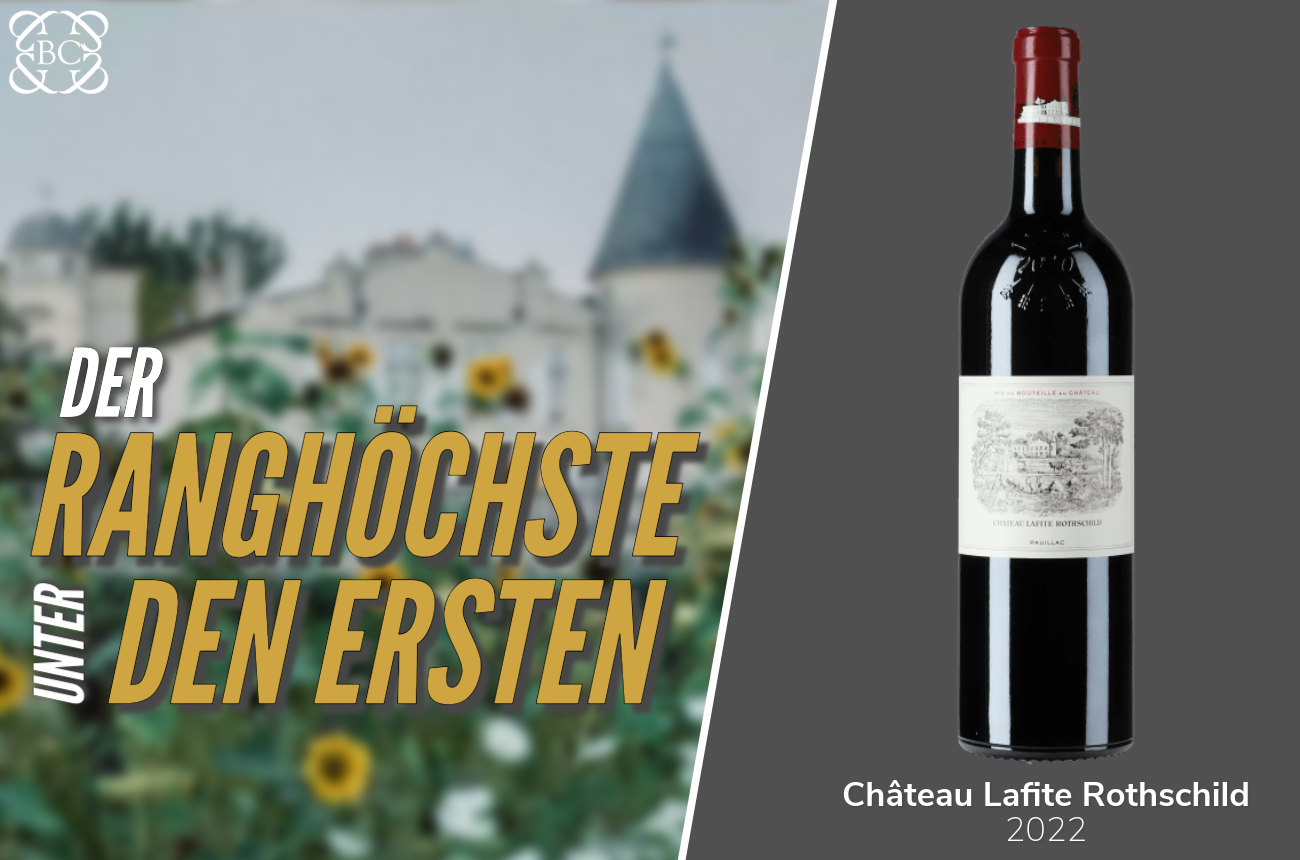
The 2022 vintage now stands among the estate's rarest milestones. While Lafite is consistently highly rated, only a handful of vintages have achieved a perfect 100-point score from Robert Parker Wine Advocate. 2022 has joined that elite group.
Critics describe 2022 as a wine of remarkable balance: power without heaviness, concentration without excess, and freshness despite one of the hottest and driest years on record in Pauillac. The deep gravel and limestone soils helped the vines withstand water stress and preserve structural elegance.
Why 2022 matters
Multiple leading voices converged unusually strongly in their assessment. William Kelley called it one of the most elegant First Growths of the year; Jeb Dunnuck described it as monumental and built for decades; other major critics echoed that view. That level of critical alignment is rare and market-relevant.
Lafite's historical position also reinforces the vintage's significance. Since the 1855 classification, the estate has remained one of Bordeaux's symbolic reference points. Within the First Growth group, it is often regarded as the most restrained and aristocratic expression of Pauillac.
Scarcity, provenance, and long-term value
As with all iconic labels, demand attracts counterfeits. Provenance is therefore not a formality but a core investment criterion. Fully documented storage and chain of custody are essential, especially for future resale of high-value vintages.
From an investment perspective, historical comparisons are compelling: highly rated Lafite vintages have shown substantial long-term appreciation after release. For collectors, 2022 is a strategic cellar anchor; for investors, it is a high-conviction entry in a globally recognized blue-chip wine.